Memory Mondays – The Early Days of the WDM

Moose Jaw North Battleford Saskatoon Yorkton
April 1, 2024
Categories:
At the time the Act was passed, the WDM already had collections and displays in North Battleford and Saskatoon and a storage facility in Yorkton. Collecting started in the early 1940s when old farm machinery was being melted down for scrap metal to use in the war effort. “Hoarding” steel and iron was made illegal in Canada on September 15, 1942. Any person who possessed more than 227 kg (500lbs) of scrap iron and steel was required to have a permit or they could be fined up to $5,000, imprisoned for up to five years, or both.
For this purpose, scrap metal was defined as “machinery, structural steel, or any other article or commodity containing iron or steel which is not serving an immediate vital purpose.” (Canadian Department of Munitions and Supply announcement, September 15, 1942).
A group of people in Saskatchewan began working to preserve old farm machinery that would otherwise have to be melted for scrap metal and formed a private museum for this purpose. The goal was to tell the history of post-settlement agriculture in Western Canada. In 1949, the Western Development Museum established the WDM as a publicly funded museum.
Today the WDM has four Museum locations across Saskatchewan and a Corporate Office. In celebration of our 75th anniversary, this month’s #MemoryMondays will show the early days of each current WDM location!
North Battleford – Opened 1963
The present-day WDM North Battleford location opened on May 25, 1963. It was a surplus Royal Canadian Air Force (RCAF) hangar from the Second World War and was transported piece by piece from Mossbank to North Battleford, where it was then pieced back together.
To read more about the opening celebrations for the WDM North Battleford, check out our website feature about it!
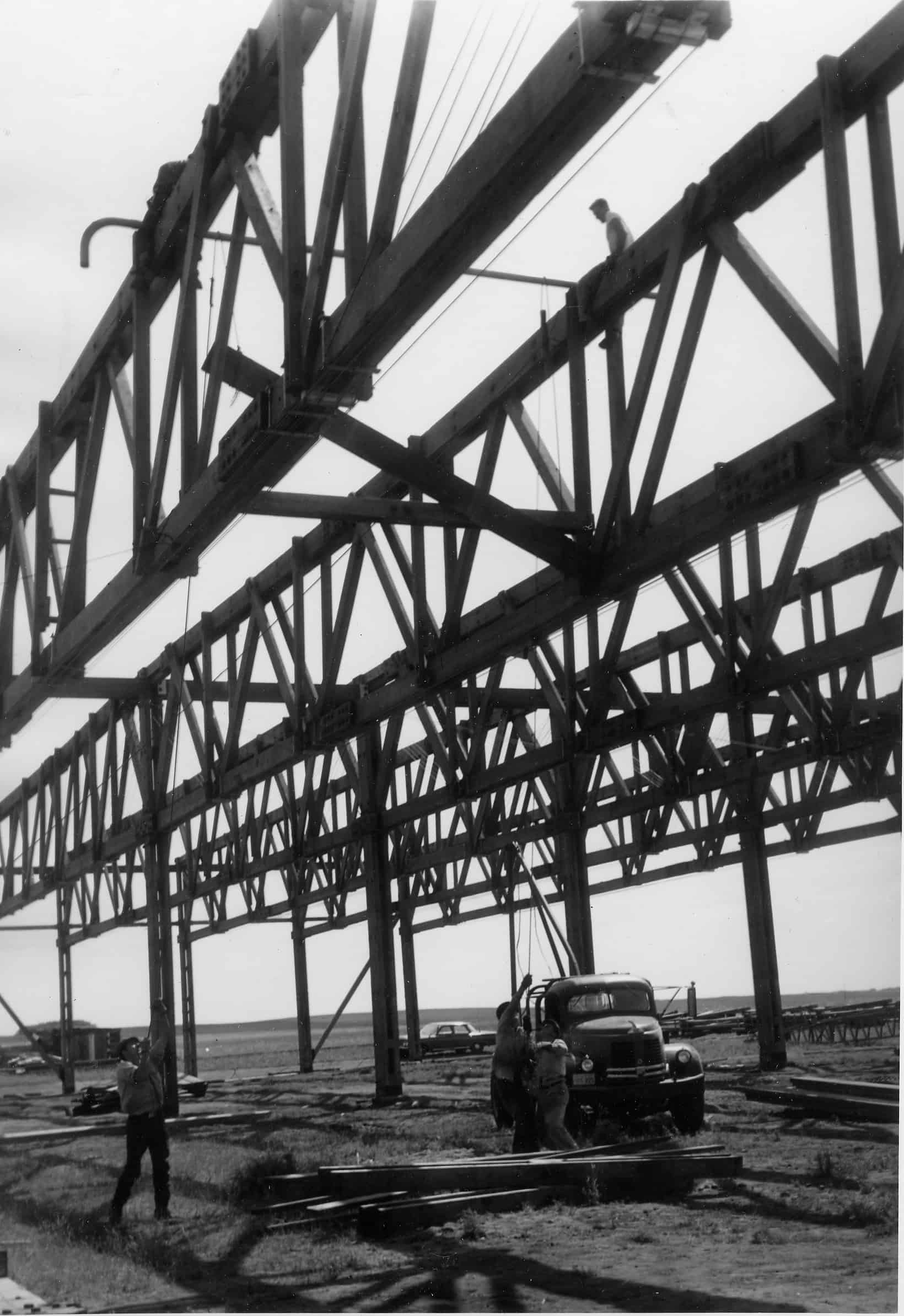 This photo shows the early stages of reassembling the hangar in North Battleford. WDM Photo. Click on image to enlarge |
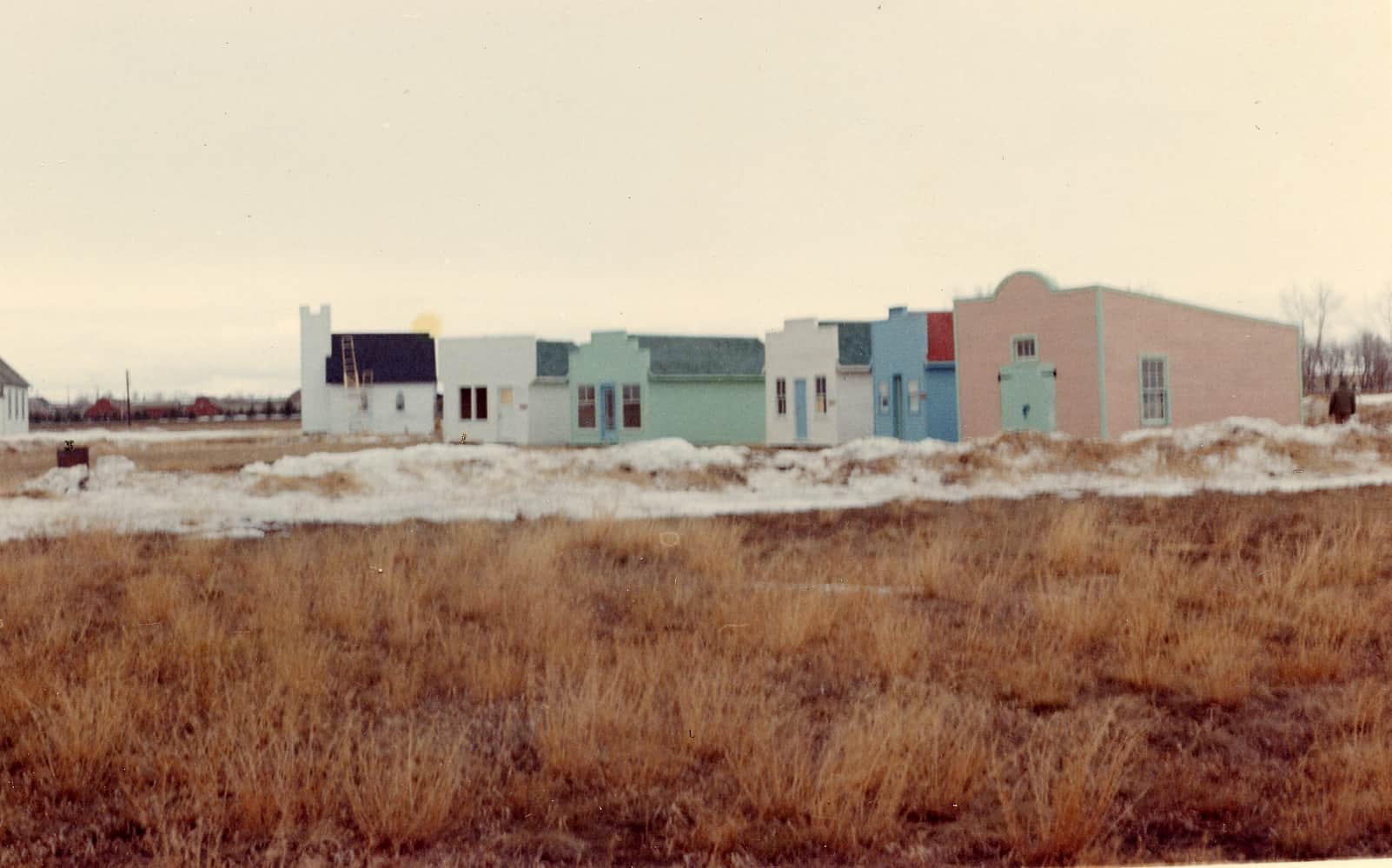 The early stages of the Heritage Farm and Village at the WDM North Battleford, c. 1963. WDM Photo. Click on image to enlarge |
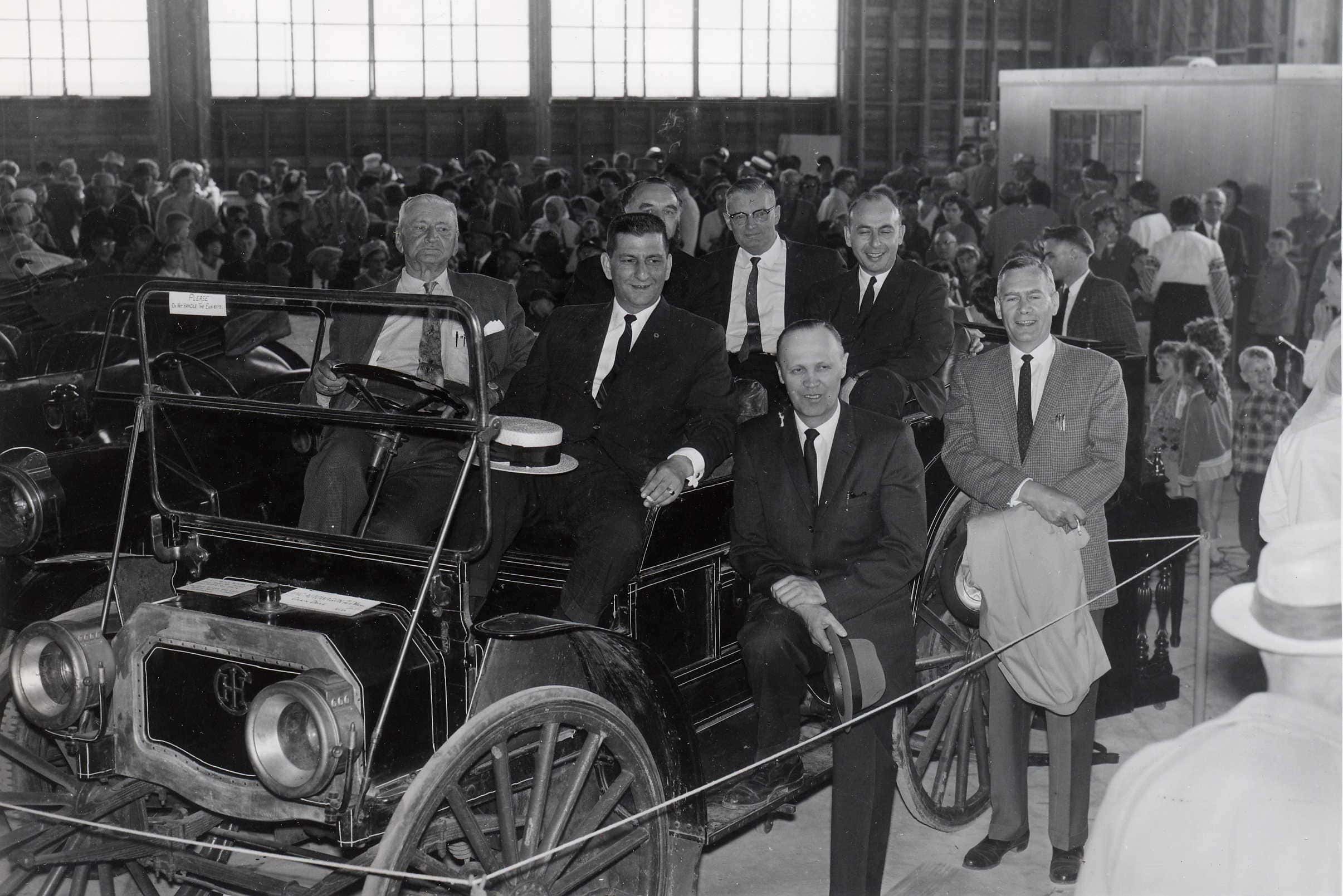 Dignitaries posing for a photo at the WDM North Battleford’s opening ceremonies, May 25, 1963. WDM Photo. Click on image to enlarge |
Saskatoon – Opened 1972
The WDM Saskatoon opened in its current location on Lorne Avenue on July 11, 1972. The opening ceremony included speeches from dignitaries such as Honourable John Brockelbank, Saskatchewan Minister of Government Services; Clarence Estey, former Saskatoon MLA; H.S. Sears, Mayor of Saskatoon; Senator S.L. Buckwold; Honourable A.E Blakeney, Premier of Saskatchewan; and Honourable Roy Romanow, Attorney General, Province of Saskatchewan.
To read more about the construction of Boomtown Street, click here.
 Construction of WDM Saskatoon, 1971. WDM Photo. Click on image to enlarge |
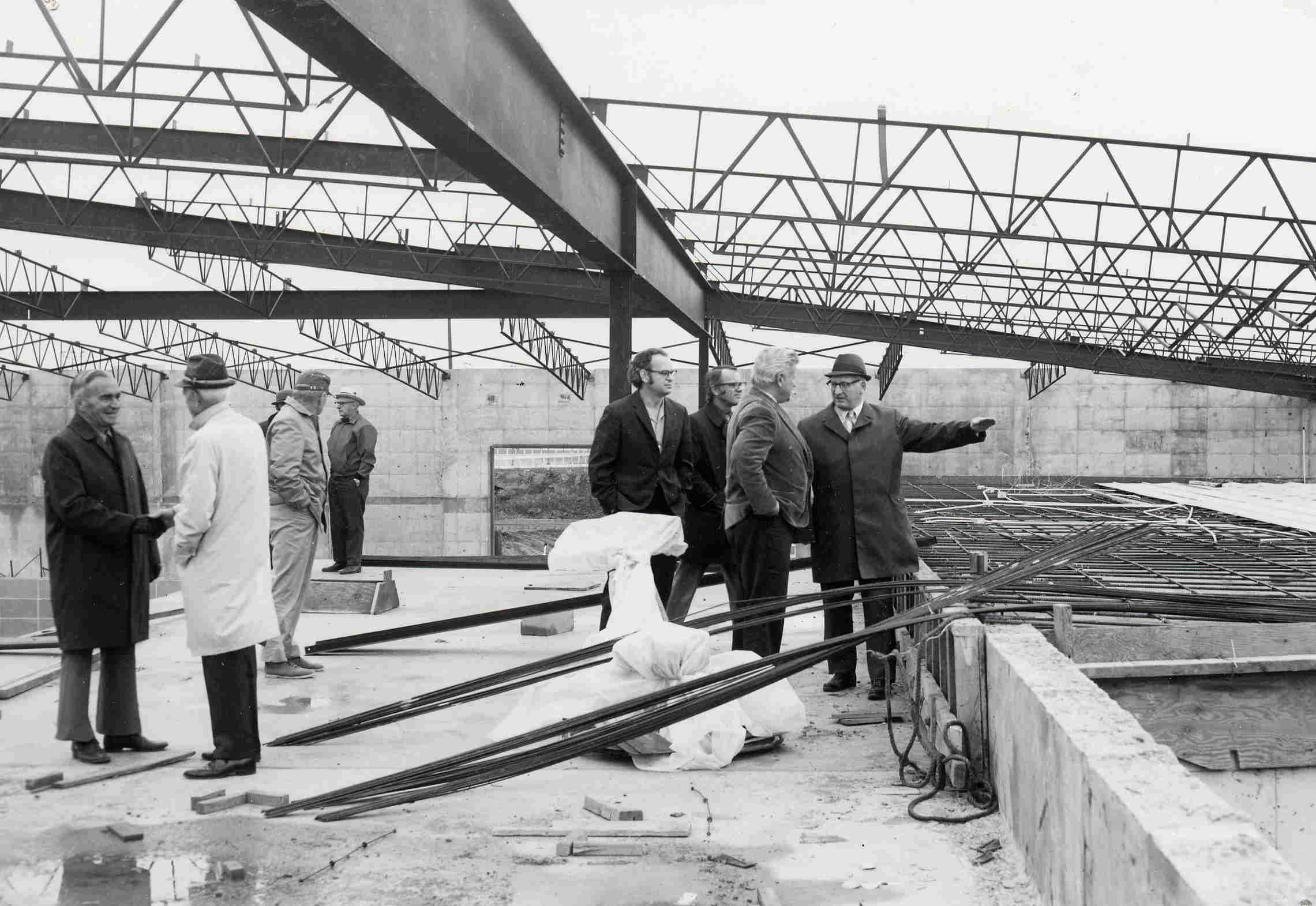 WDM Saskatoon under construction, 1971. WDM Photo. Click on image to enlarge |
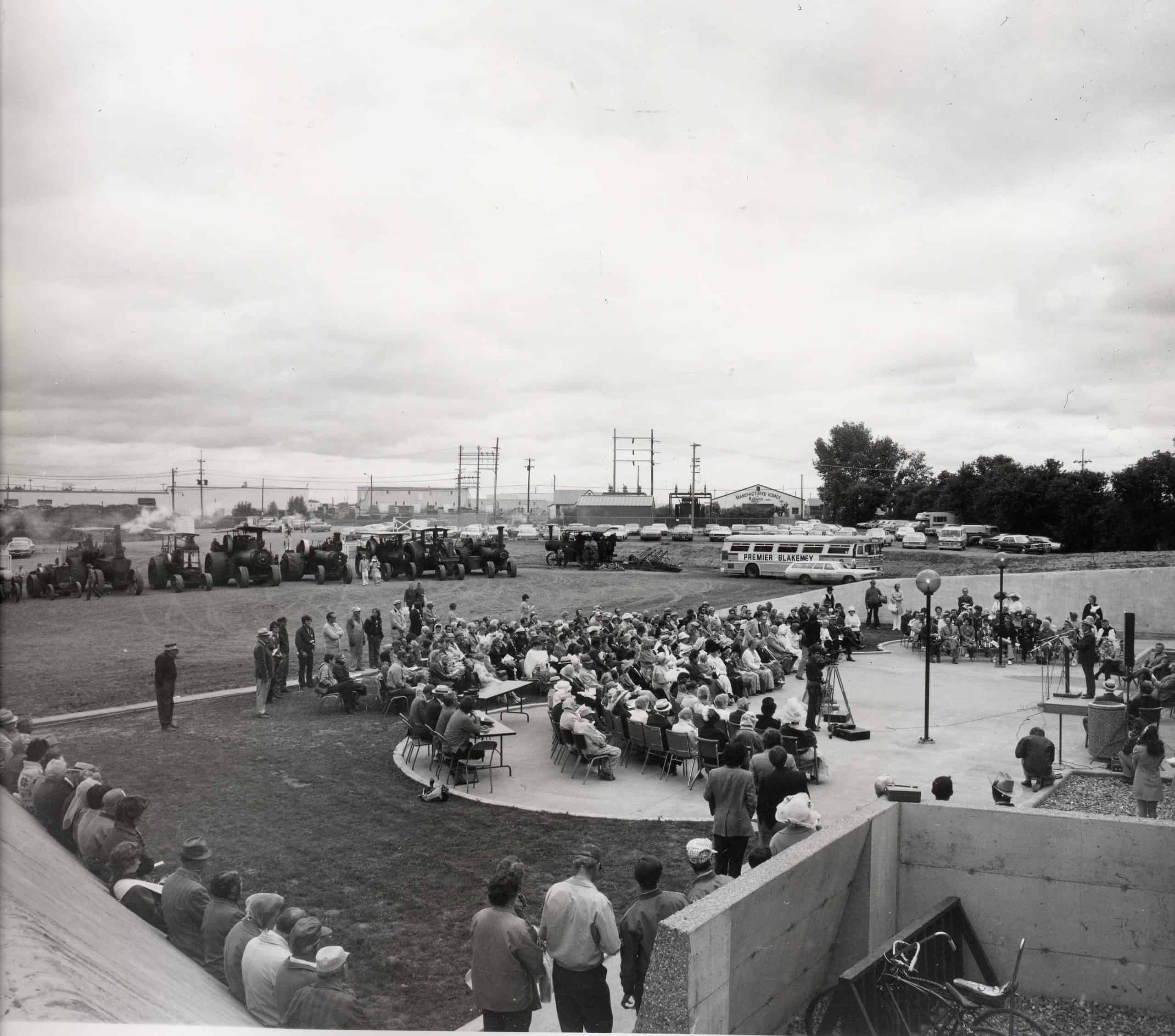 Opening celebration of WDM Saskatoon new location, July 11, 1972. WDM Photo. Click on image to enlarge |
Yorkton – Opened 1972
After a sod turning on September 8, 1971, the WDM Yorkton opened its doors at its present location on August 15, 1972. An opening ceremony was held on September 13, 1972. The building was constructed for a cost of $115,000.
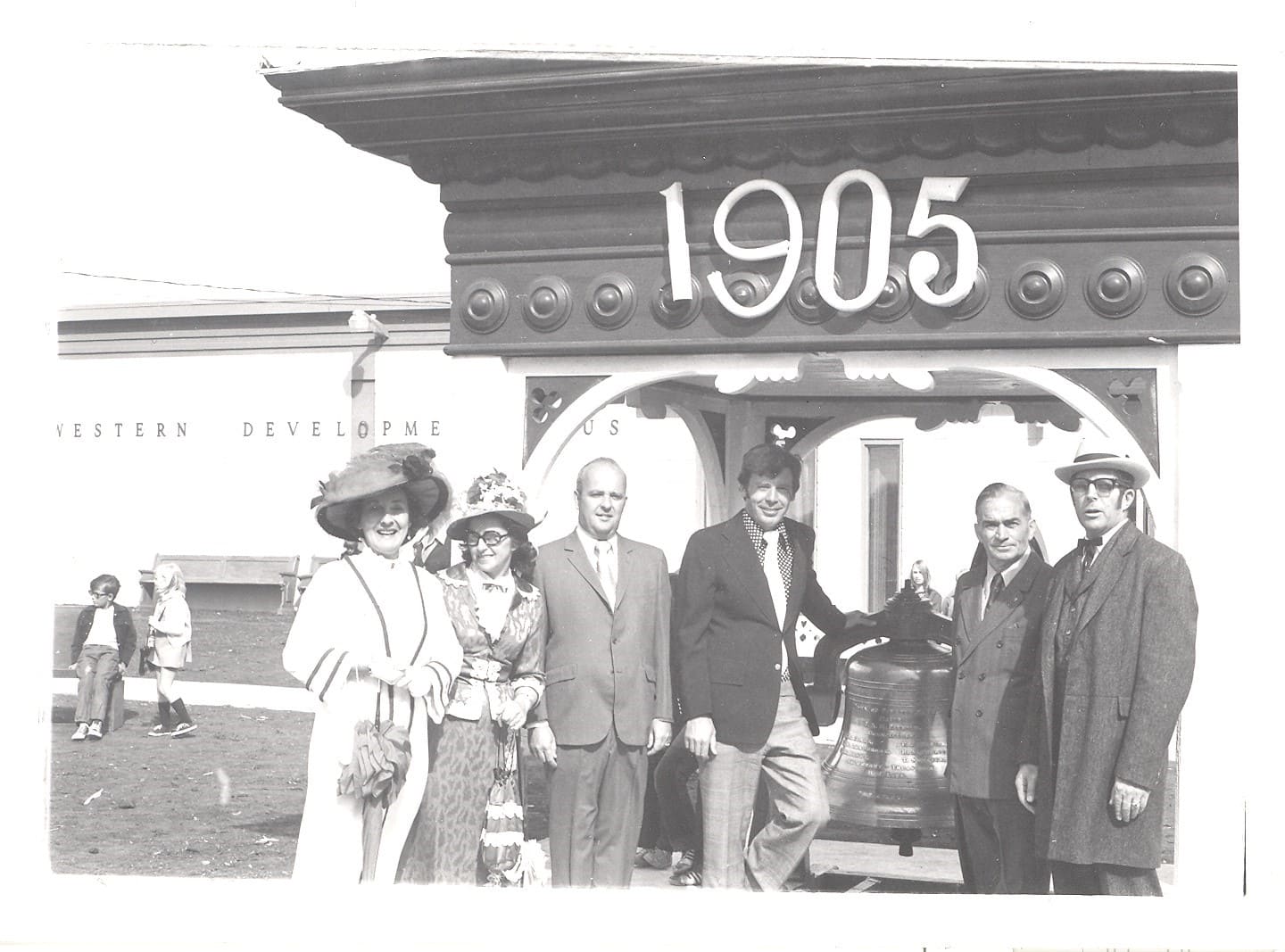 Dignitaries at the opening of the WDM Yorkton’s current location. Left to right: Unknown; Effie Zepp; Yorkton Mayor Allan Bailey; John Brocklebank, MLA; WDM Board Chair Harold Latrace; Jack Zepp, manager of WDM Yorkton. September 13, 1972. WDM Photo. Click on image to enlarge |
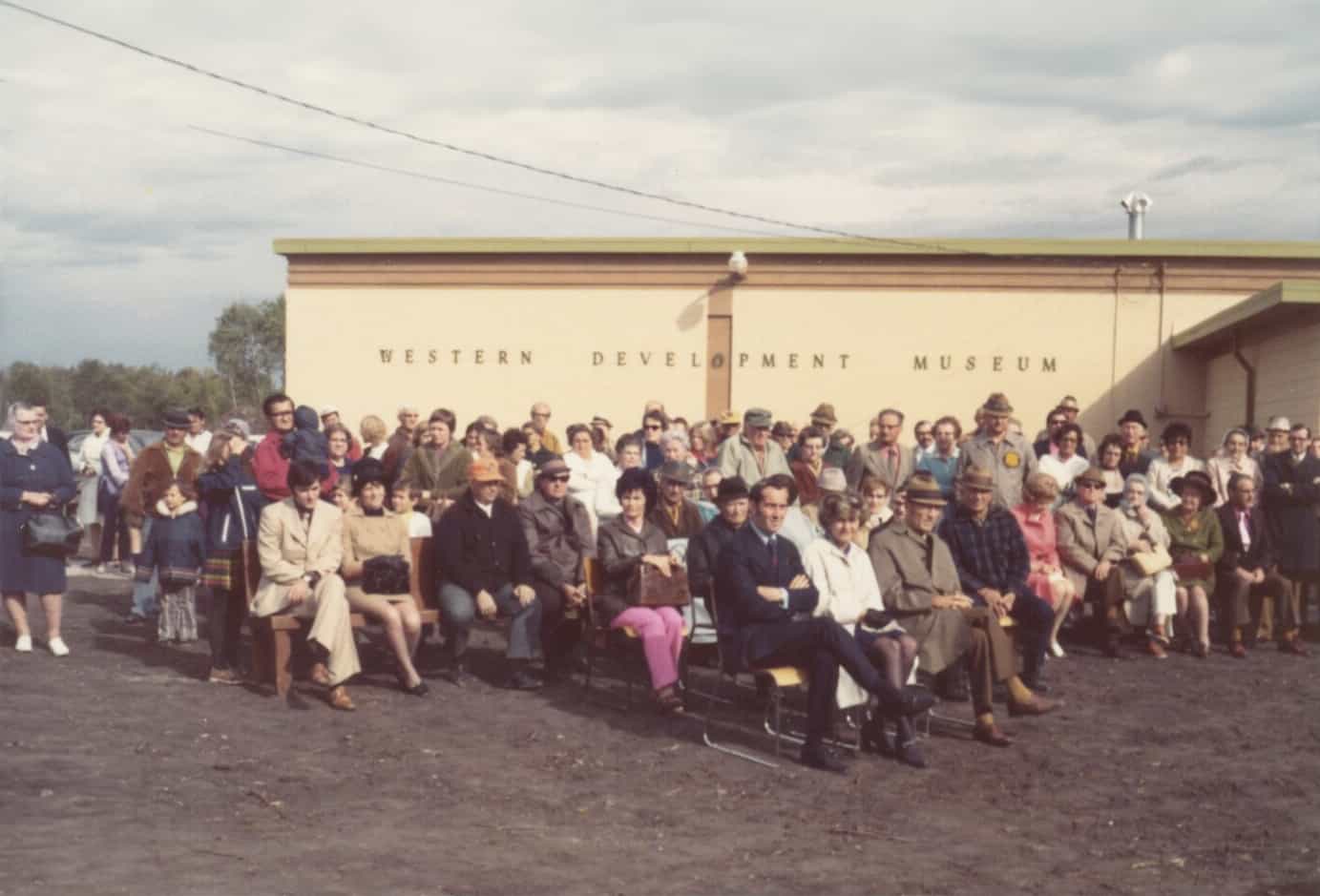 Opening celebrations held outside the WDM Yorkton, 1972. WDM Photo. Click on image to enlarge |
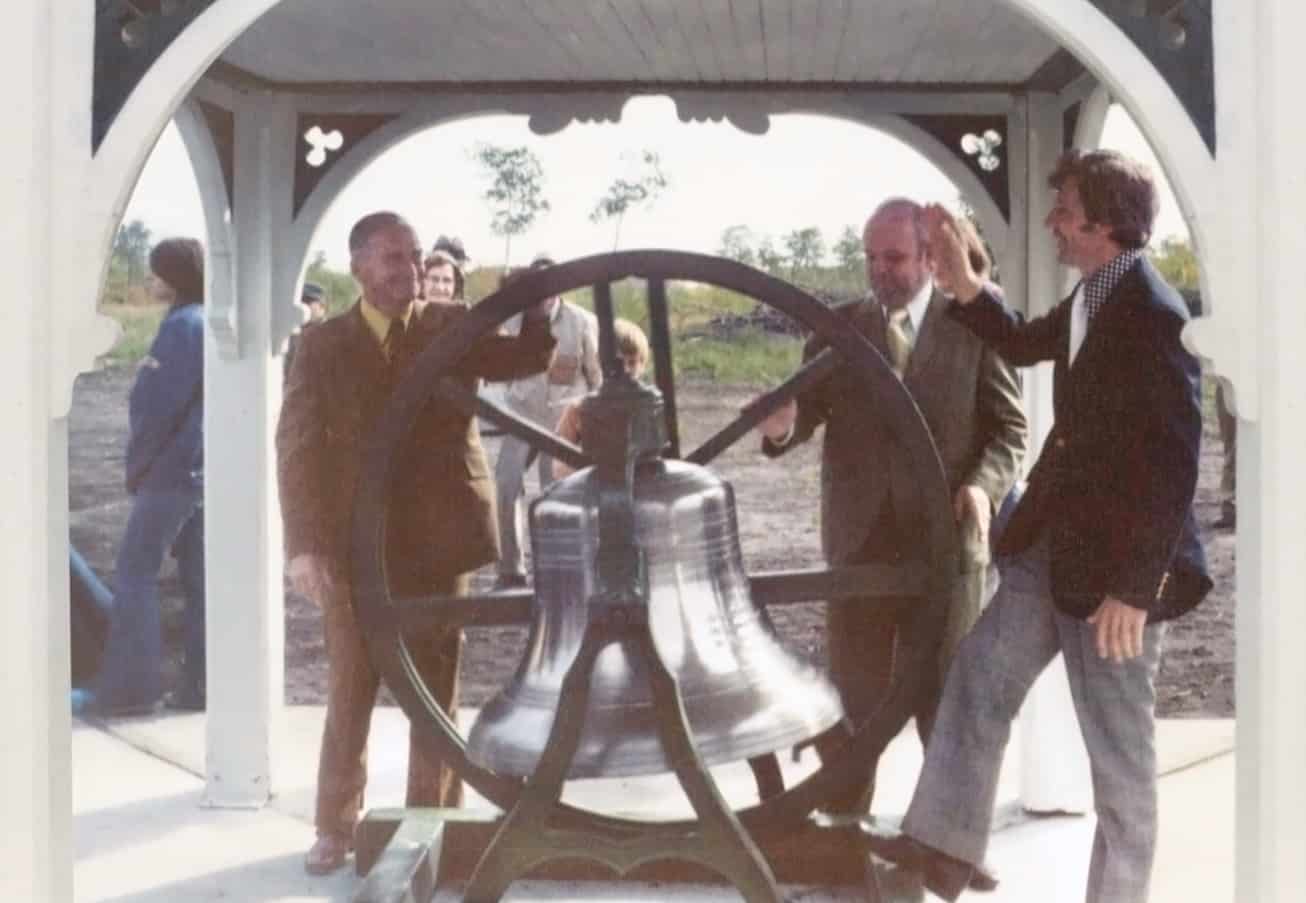 WDM Board Chair Harold Latrace; Yorkton Mayor Allan Bailey; John Brocklebank, MLA with the bell outside of the WDM Yorkton, 1972. WDM Photo. Click on image to enlarge |
Moose Jaw – Opened 1976
Construction of the WDM Moose Jaw began in 1974 at the intersection of Highways 1 and 2. When completed, the building would have 10,405 square metres (112,000 square feet). It was opened on June 26, 1976, with Saskatchewan Premier Allan Blakeney officiating the ribbon-cutting ceremony.
 Construction of WDM Moose Jaw, 1974 or 75. WDM Photo. Click on image to enlarge |
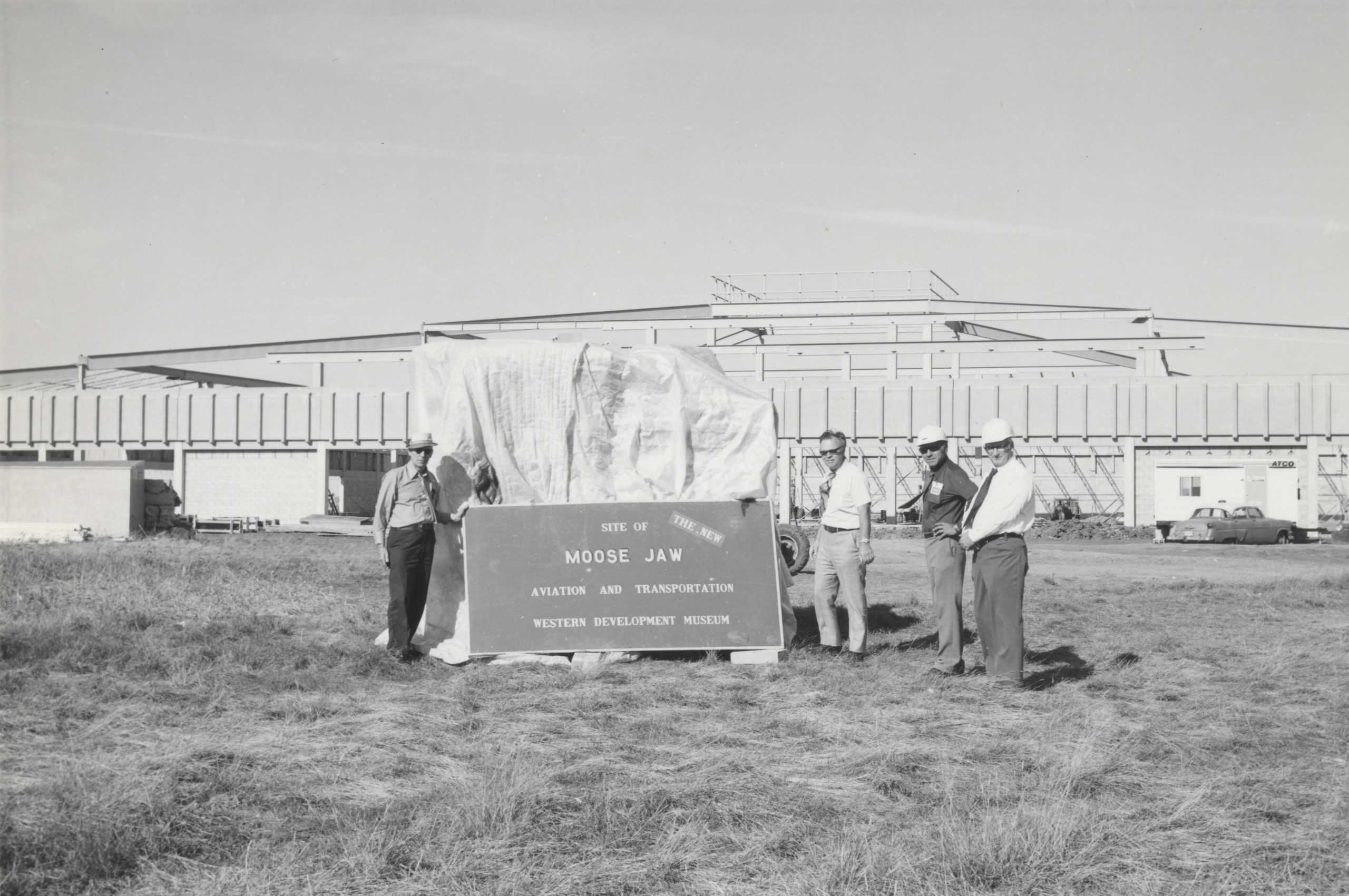 WDM Moose Jaw construction site, 1974 or 75. WDM Photo. Click on image to enlarge |
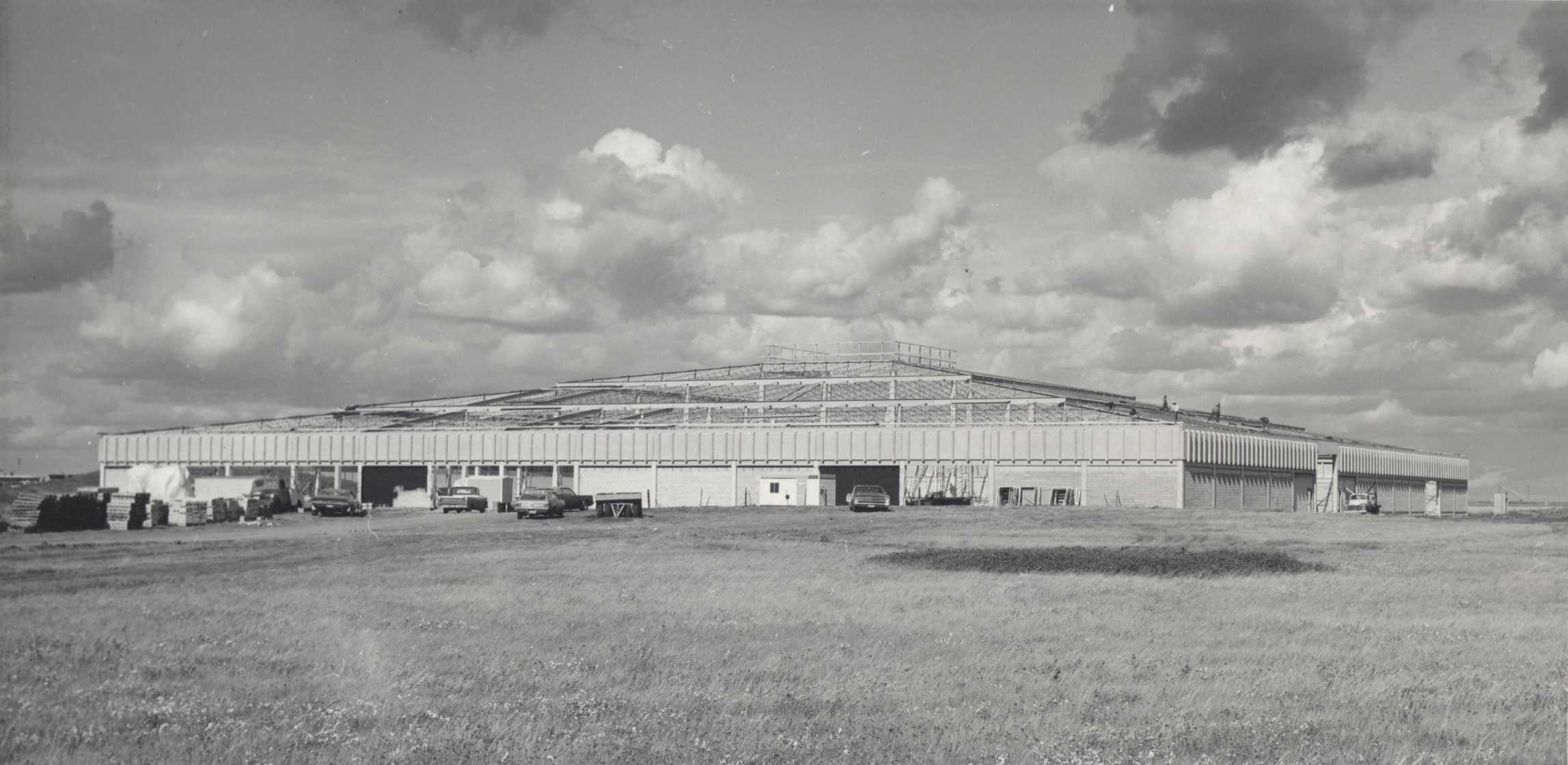 WDM Moose Jaw under construction, c. 1975. WDM Photo. Click on image to enlarge |
Corporate Office – Opened 1984
In November 1982, the Government of Saskatchewan provided funding to the WDM for, among other things, a new collections storage facility in Saskatoon. An old grocery warehouse on what is now the corner of Melville Street and Lorne Avenue was purchased and renovated for this. Initially, this building was called the Provincial Service Centre (PSC) before being renamed to the Curatorial Centre (CC) in 1993 and then renamed once more to Corporate Office (CO) in 2018. Approximately 50% of the WDM’s artifact collection is currently stored in this building.
The 12,077 square metre (130,000 square foot) building was officially opened by Minister Rick Folk, Minister of Culture and Recreation, providing administration offices, curatorial functions, (collections, conservation, exhibits, research), a library, artifact storage, and shop space (machine and welding shop, carpentry shop, paint booth), exhibits construction, and eventually a conservation lab.
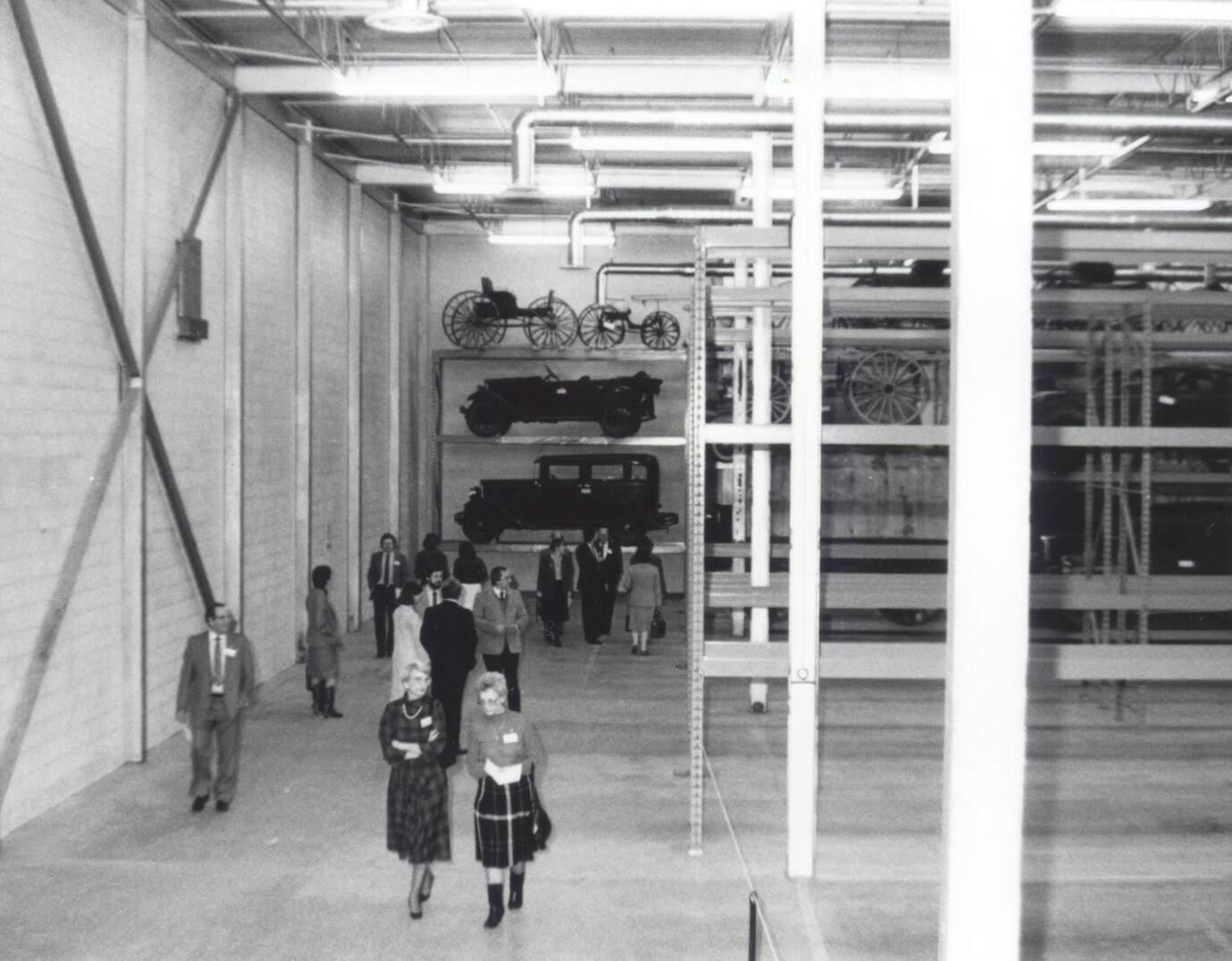 Guests touring the PSC at the opening, 1984. WDM Photo. Click on image to enlarge |
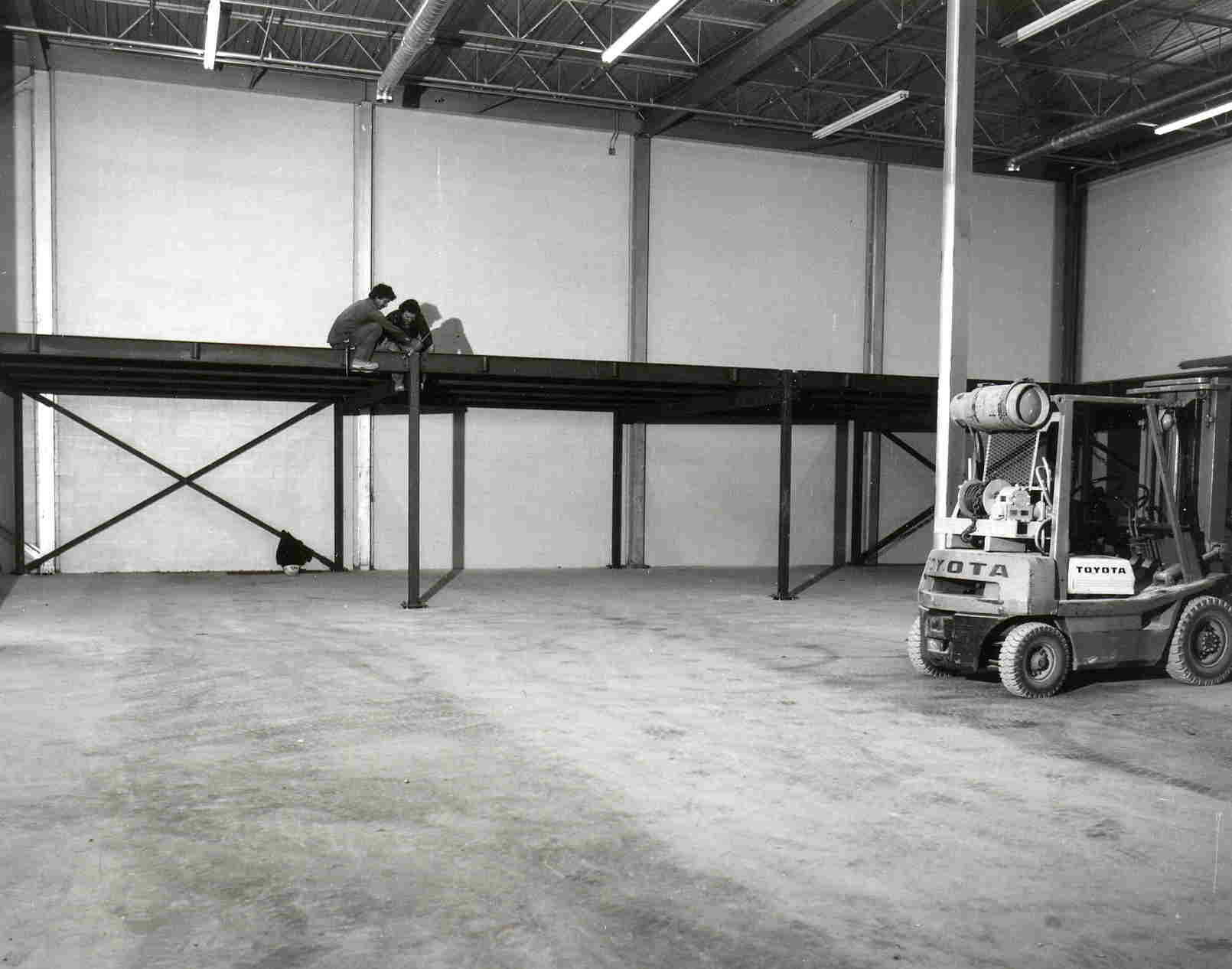 Building shelves for artifact storage in the PSC, c 1983. WDM Photo. Click on image to enlarge |
 Moving artifacts to PSC, 1984. WDM Photo. Click on image to enlarge |
